Roof Repairs Succasunna NJ for Better Waterproofing Performance
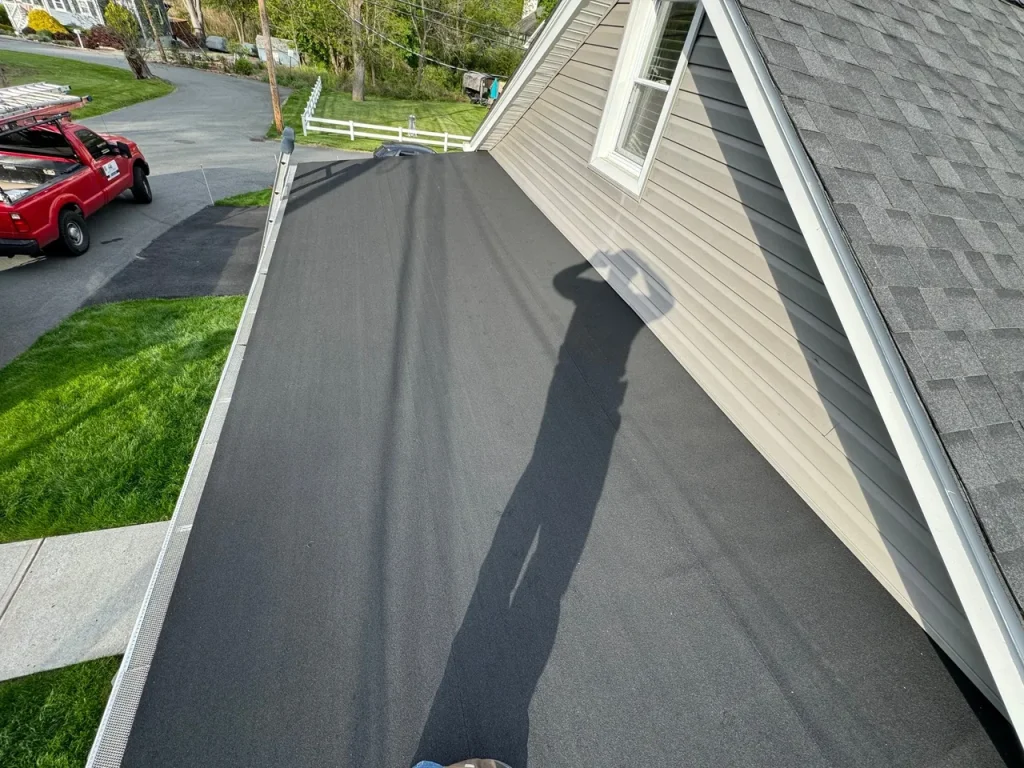
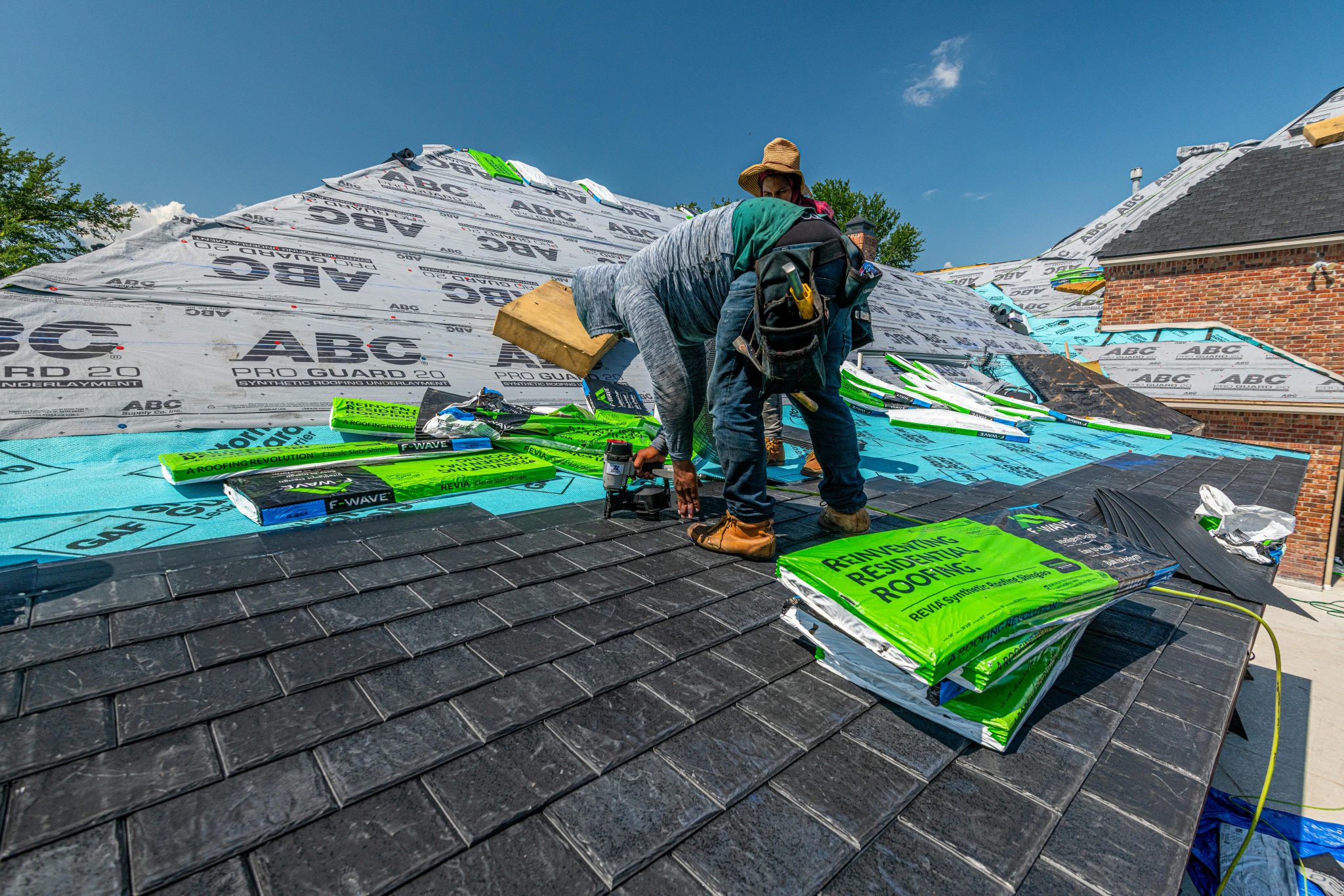

Waterproofing is the quiet job your roof handles every day. Most homeowners in Succasunna do not think much about it until a ceiling stain appears, insulation gets damp, or a draft starts slipping through the attic after a heavy storm. By then, the roofing system has often been struggling for a while. A roof rarely goes from sound to failed overnight. More often, it loses its weather resistance in small, easy-to-miss ways: a lifted shingle at the ridge, cracked pipe flashing, a soft spot near a valley, granule loss that leaves asphalt exposed, or ice dam damage that opens a path for water.
That is why Roof Repairs Succasunna NJ should never be treated as a cosmetic task. The real goal is not simply to patch a visible problem. It is to restore the roof’s ability to shed water consistently, season after season, under the very specific weather conditions Morris County sees. A proper repair protects framing, insulation, drywall, electrical systems, attic ventilation performance, and indoor air quality. It also protects resale value, because roof leaks tend to leave a paper trail of secondary issues.
Local climate plays a bigger role than many people realize. Succasunna homes deal with freeze and thaw cycles, summer humidity, wind-driven rain, occasional hail, and snow loads that test flashing details around chimneys, skylights, and valleys. A repair that might hold for a short time in a mild climate can fail quickly here if it ignores movement, drainage, and water backup. Better waterproofing performance depends on making repairs that respect how roofs actually age in this area.
What waterproofing performance really means on a residential roof
When people hear the word waterproofing, they often picture a perfectly sealed surface that blocks every drop of water. Roofing does not work that way in practice. A roof system is designed to manage water by layering defenses. The shingles or other outer covering shed most of the weather. Underlayment adds backup protection. Flashing directs water away from penetrations and transitions. Ventilation reduces moisture buildup from inside the home. Gutters and downspouts move runoff away before it can back up at the eaves.
A roof performs well when those parts work together. One failed detail can compromise the whole assembly. I have seen roofs with shingles that still looked acceptable from the driveway, yet the real problem was at a plumbing vent where the rubber boot had split. I have also seen leaks blamed on old shingles when the main culprit was a chimney saddle that had been poorly fabricated years earlier. Homeowners often focus on the visible field of the roof because it is easier to see. Water, on the other hand, follows seams, edges, gravity, wind pressure, and opportunity.
Better waterproofing performance means the roof drains quickly, resists backup, keeps vulnerable joints sealed, and remains durable through temperature swings. It also means the repair materials match the existing system closely enough that one section does not age or move very differently from the next. That is a point that gets missed in rushed Roof Repairs. A patch is not automatically a repair if it creates a harder edge, traps water, or introduces incompatible sealants.
Why roofs in Succasunna often fail at the details first
The roof areas most likely to leak are usually not the large open planes. They are the places where different materials meet or where the roof is interrupted. A valley carries concentrated runoff. A chimney interrupts the slope and creates uphill water pressure. A skylight depends on precise flashing integration. The lower edge of the roof near the gutter has to handle runoff, possible ice backup, and constant wetting.
On homes in Succasunna, winter is especially revealing. Snow on its own is not always the problem. Trouble starts when daytime melting and nighttime refreezing create ice at the eaves. That ice can block drainage and force water upward beneath shingles. If the ice and water protection under the roofing is inadequate, aged, or incorrectly installed, leaks can show up along exterior walls, ceiling corners, or window headers. In summer, the challenge shifts. Heat accelerates shingle aging, UV exposure dries out sealants, and sudden storms test whether flashings and nails still hold.
This is why targeted repairs matter. A homeowner might see a stain in one bedroom and assume the leak is directly above it. In reality, water may be entering several feet uphill or even on an adjacent roof plane, then traveling along decking or framing before it becomes visible indoors. Accurate diagnosis matters as much as the repair itself. Guessing wastes money and often allows hidden moisture to continue spreading.
Signs that your roof’s waterproofing has weakened
Some warning signs are obvious, but many are subtle enough to be dismissed for a season or two. That delay can turn a manageable repair into structural and interior restoration work.
Here are five signs worth taking seriously:
- Ceiling stains that grow after storms, even if they seem to dry out between events.
- Curled, cracked, or missing shingles, especially near valleys, ridges, and roof edges.
- Granules collecting in gutters, which often signals the shingle surface is wearing thin.
- Damp attic insulation, musty odor, or dark staining on roof sheathing.
- Flashing that appears loose, rusted, bent, or heavily caulked from past patch attempts.
The last point deserves attention. Heavy caulking around flashing is often a red flag, not reassurance. Sealant has its place, but when a roof relies on large amounts of exposed caulk to stay dry, the underlying flashing detail may already be compromised. Good roof design uses mechanical overlap and water-shedding geometry first. Sealant supports that system, it does not replace it.
The repair areas that make the biggest difference
Some roof repairs provide an outsized boost in waterproofing because they address common failure points directly. Replacing a few damaged shingles can help, but if the leak source is flashing, underlayment, or drainage related, the repair must go deeper.
Valleys
A valley handles more water than almost any other roof area. If shingles in the valley are brittle, if metal lining is corroded, or if debris is slowing flow, water can work its way beneath the roofing. On older homes, I often find previous repairs that layered roofing cement over an existing issue. That may slow leakage for a short period, but it also tends to trap debris and age poorly under UV exposure. A sound valley repair usually involves removing roofing on both sides, checking decking condition, restoring underlayment, and reinstalling the valley detail properly.
Chimneys and masonry intersections
Chimneys create some of the most persistent leak complaints because several things can go wrong at once. Step flashing may be missing or incorrectly lapped. Counterflashing may be too shallow or deteriorated. Mortar joints can crack. Water can also enter through the chimney crown or flue area and appear to be a roof leak. A careful diagnosis distinguishes between masonry water entry and flashing failure. On many homes, the best waterproofing improvement comes from rebuilding the flashing assembly correctly rather than adding more sealant.
Pipe boots and roof penetrations
Rubber boots around plumbing vents harden and crack with age. These failures are common, inexpensive to miss, and surprisingly damaging over time. I have seen small boot failures soak roof decking around an otherwise healthy roof section because the leak ran quietly for months. Replacing worn vent flashings with compatible components is one of the simplest ways to restore waterproofing reliability.
Skylights
Skylight leaks are frequently blamed on the skylight unit itself, but the problem is often the surrounding flashing or the way shingles terminate around it. If the skylight is older, the curb, seals, and frame condition all matter. Repair choices depend on age. On a relatively new unit, reflashing may solve the issue. On an older unit nearing the end of its service life, repairing the roof around it without addressing the skylight can become a short-term fix.
Eaves, gutters, and drip edges
Waterproofing does not end at the shingles. If gutters are pulling away, clogged, or pitched poorly, water can overflow behind the fascia or sit at the lower roof edge too long. Missing or inadequate drip edge can let water wick back toward the decking. In freeze-thaw weather, these edge details become even more important. Good Roof Repairs often include correcting drainage so runoff leaves the roof cleanly.
Why small leaks become expensive fast
Water rarely stays where it first enters. It follows wood grain, fasteners, insulation voids, and framing connections. A leak the size of a coin can wet a surprising amount of material over time. Once insulation gets damp, thermal performance drops. Once framing stays wet repeatedly, the risk of rot rises. If attic humidity climbs, mold growth becomes more likely on sheathing and rafters, especially in shoulder seasons when ventilation is less effective than people assume.
The financial jump can be steep. A focused flashing repair may cost a fraction of what is required once drywall, paint, insulation, and decking all need replacement. There is also the hidden cost of uncertainty. Many homeowners live with a leak for months because it appears only during certain storms. That pattern often points to wind-driven rain or ice backup, both of which suggest the roof’s waterproofing margin is already thin. Waiting for a leak to become consistent usually means the damage is no longer isolated.
Repair versus replacement, making the right call
Not every roof problem justifies replacement, and not every repair is worth doing. The right decision depends on age, condition, leak history, material type, and how localized the failure really is.
If the roof is relatively young and the issue is concentrated at one or two details, repair often makes excellent sense. Replacing damaged flashing, a section of shingles, or a compromised underlayment zone can restore strong waterproofing performance without the cost of a full reroof. This is especially true after storm damage or isolated wear around penetrations.
If the roof is older and showing broad signs of fatigue, repeated repairs may become false economy. When shingles are brittle across multiple slopes, when granule loss is widespread, when attic leaks recur in more than one location, or when decking problems appear in several zones, a full replacement may be the more responsible path. I have walked roofs where three previous patch jobs were visible from one spot. At that stage, the owner had already spent enough on reactive work that a planned replacement would have been less disruptive and more durable.
A good contractor will explain the trade-off plainly. A repair can buy useful time. It cannot make a failing roof new again. There is nothing wrong with a strategic repair if the owner understands the roof’s overall condition and expected remaining life.
What a proper roof repair process should look like
A repair that improves waterproofing begins with investigation, not materials. The crew should identify the likely entry point, inspect related details, and consider whether the visible symptom matches the actual source. Attic inspection often helps because staining patterns, nail rust, and insulation moisture can reveal where water has been traveling.
Once the issue is confirmed, the repair should include enough removal to expose hidden damage. This is a point many homeowners underestimate. The goal is not to disturb more roofing than necessary, but sealing over wet or deteriorated materials invites early failure. If decking is soft, delaminated, or mold-stained from active leakage, it should be evaluated and replaced as needed before the new roofing detail goes back in.
Material matching matters as well. Shingle color is the obvious concern, but compatibility is the bigger one. Underlayment type, flashing metal, fastener placement, and sealant choice all affect long-term performance. A repair that looks decent on day one may still be wrong if the flashing laps are backward, nails are exposed where water concentrates, or a brittle older shingle is forced to bend beyond what it can tolerate.
When homeowners ask what separates durable Roof Repairs Succasunna NJ from patchwork, the answer is simple: water path awareness. Every piece installed should help water move off the roof, not merely block it temporarily.
Questions worth asking before authorizing work
Choosing a contractor is partly about credentials and partly about how they think through the problem. The right questions reveal a lot.
You can ask:
- What do you believe is the actual source of the leak, and what evidence supports that?
- Will you inspect the attic or underside of the roof if accessible?
- How much roofing needs to be removed to verify the condition below?
- Are the proposed materials compatible with the existing roof system?
- If you find damaged decking or flashing beyond the visible area, how will that be handled?
A contractor who answers clearly, without rushing to the cheapest visible patch, is usually taking the roof seriously. Vagueness is not a good sign. Neither is an instant diagnosis from the ground when the problem involves a chimney, skylight, or intermittent storm leak.
Seasonal timing and why it matters
Repair timing affects both workmanship and urgency. In a perfect world, roof issues would be addressed in mild, dry weather with enough lead time for careful scheduling. Real life is messier. Leaks often show up during the worst possible conditions, during a windstorm, after a freeze, or in the middle of a wet stretch.
Emergency protection has its place. Tarping and temporary sealing can prevent interior damage until a proper repair window opens. Still, temporary measures should be treated as exactly that. I have seen roofs carry a “temporary” patch for two years, only for the owner to discover that the hidden damage had spread beneath it.
Spring and fall are often ideal for planned repair work because crews can inspect thoroughly and materials tend to handle well. Summer can also be a good time, though very high heat makes shingles more vulnerable to scuffing if foot traffic is careless. Winter repairs are certainly possible, especially when leaks are active, but they require more judgment about brittleness, sealant curing, and safety. The important point is not chasing a perfect season. It is acting before one failed detail creates a chain of additional problems.
Waterproofing is also an attic issue
Many roof leaks get attention. Many attic moisture problems do not. Yet poor attic ventilation and insulation imbalances can weaken waterproofing performance from the inside out. Warm interior air escaping into the attic raises humidity and can melt snow unevenly on the roof, contributing to ice dam formation. Condensation on cold sheathing can mimic a leak or worsen the effects of a minor one.
That is why a careful roofing professional looks beyond the outer surface. If bathroom fans dump into the attic, if soffit vents are blocked by insulation, if ridge ventilation is missing or unbalanced, the roof may continue to struggle even after a targeted exterior repair. Better waterproofing performance depends on keeping roof materials within a healthier moisture and temperature range.
I once looked at a home where the owner was convinced the new leak near an exterior wall meant the last repair had failed. Part of that was true. The eave flashing detail needed correction. But the larger reason the damage kept returning was attic bypass air from recessed lights and an improperly vented bath fan. The roof was being stressed from both directions. Once those interior moisture paths were addressed, the repair held the way it should have from the beginning.
Preventive care that actually helps
Preventive maintenance does not need to be elaborate. It needs to be consistent and focused on water movement. Homeowners can do a great deal simply by noticing changes early. A binocular look after major storms, periodic attic checks, and keeping gutters clear can reveal problems while they are still inexpensive to solve.
Tree management matters too. Overhanging limbs drop debris, shade the roof so it stays wet longer, and can scrape shingles in wind. Moss and heavy debris hold moisture against roofing surfaces and slow drainage. None of this means every tree near a house is a problem. It means https://privatebin.net/?9d1b0e583f3c27a3#3wo2W5KnFExwdHVB5bFSuLEQtXrfm3pTh7A7i7DwxhRp the roof should have room to dry and shed water freely.
The biggest preventive step, though, is resisting the urge to ignore a small stain because it seems stable. Roof leaks rarely heal. They pause, shift, and return.
Getting better long-term results from Roof Repairs Succasunna NJ
Homeowners usually call for repairs because something visible has already happened. A drip, a stain, a missing shingle after wind, damp insulation in the attic. Those are symptoms. The real value of professional Roof Repairs Succasunna NJ lies in restoring the roof’s full water management function, not just covering the symptom.
That takes diagnosis, sound materials, and attention to the overlooked details that decide whether a repair lasts. Flashing geometry, underlayment continuity, edge drainage, fastener placement, attic conditions, and seasonal stress all matter. When those pieces are addressed thoughtfully, a repair can do more than stop an active leak. It can materially improve waterproofing performance and extend the useful life of the roof.
For homeowners, the practical takeaway is straightforward. Treat leaks and visible roof wear as system warnings, not isolated annoyances. Ask better questions. Favor repairs that solve the water path, not just the wet spot. And when the roof is still fundamentally serviceable, timely Roof Repairs can preserve both the house and your budget far more effectively than repeated emergency patching ever will.
Royalty Exteriors
Address: 151 NJ-10 Ste 103A, Succasunna, NJ 07876
Phone number: +19733337234
FAQ About Roof Repairs Succasunna NJ
How much should I pay for roof repairs?
Most homeowners pay an average of $900 to $1,200 for roof repairs, with typical projects ranging from $150 to $3,000+ depending on the severity of the damage.
What are the most common roof repairs?
The most common roof repair is fixing water leaks by replacing damaged, cracked, or missing asphalt shingles and sealing compromised flashing.
Does homeowners insurance pay for roof repairs?
Homeowners insurance pays for roof repairs only if the damage is sudden and accidental, such as from a storm, hail, or a falling tree.